A look back at the legendary Yugoslav comedies that defined humor, culture, and everyday life across generations. These films remain a timeless source of laughter, nostalgia, and social truth.
Comedies from the era of former Yugoslavia hold a special place in the history of our cinema. They were never just funny movies, they were a reflection of society, filled with satire, human flaws, and emotion. Generations grew up with Žika, Đenka, Bata, and Šurda, and their quotes still echo in everyday speech.
The Žika’s Dynasty series (1985–1992) became a true symbol of domestic humor. The clash between the traditional Žika Pavlović and the modern Milan Todorović reflects two worlds, old values versus new ones, but it’s their friendship that makes it universal. Within simple, everyday moments weddings, family gatherings, misunderstandings, hides a truth that everyone can relate to. It’s lighthearted and chaotic but deeply human. “Grandma, you’re a genius!” — Žika Pavlović
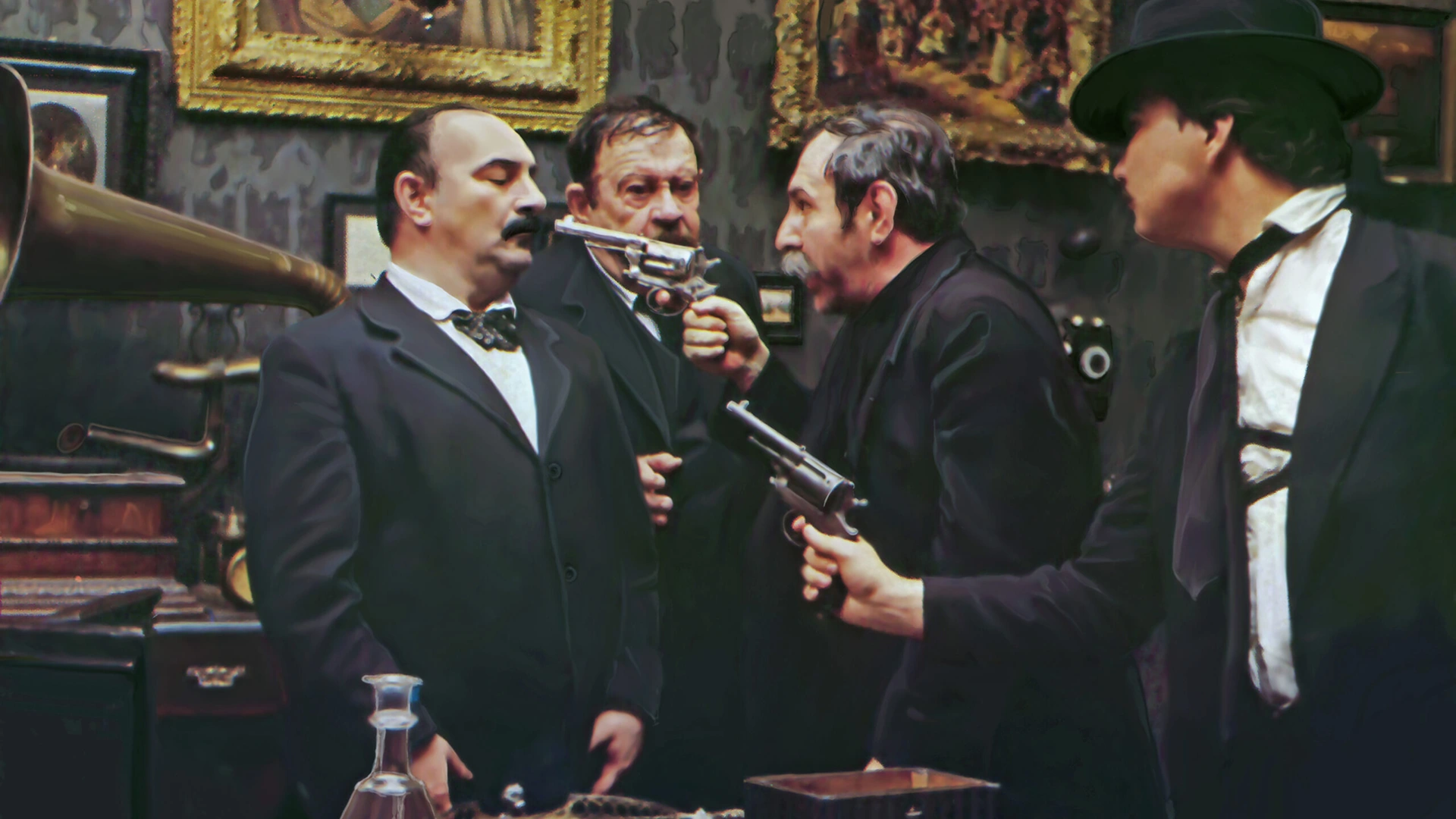
Written by Dušan Kovačević, The Marathon Family (1982) is a masterpiece of absurdity and dark humor. The Topalović family, undertakers obsessed with profit and tradition, becomes a metaphor for a society trapped between generations. Every scene, every line, and every facial expression is unforgettable. From “Đenka, my boy, kill grandpa!” to the final absurd laughter, it’s one of the greatest films ever made in this region.
The TV series Hot Wind (1980) follows Šurda, a barber trying to find his place in a chaotic society. He became a symbol of the Yugoslav everyman, kind-hearted, naive, and eternally hopeful. Through comedy, the series explores work, love, and ambition under socialism. It’s funny, touching, and so real that every viewer could see a part of themselves in Šurda. “Work, Šurda, work!” — Rade Marković
Directed by Dušan Kovačević and Božidar Nikolić, Balkan Spy (1984) is one of the most intelligent political satires ever made. Ilija Čvorović, played by Danilo Bata Stojković, is a man consumed by paranoia and suspicion. The film exposes how fear of the system can turn an ordinary person into an obsessive informant. It’s simultaneously hilarious and tragic—a perfect mirror of an era.
Tight Skin (1982), with Nikola Simić and Milan Gutović, is often underrated but brilliantly portrays the absurdity of bureaucracy and the stress of office life. Its humor comes from everyday frustration, the eternal struggle of the small man against “the system.” The character Dimitrije Pantić has since become a cultural icon, the face of every overworked employee.
These Yugoslav comedies are more than just movies. They are collective memories, emotional time capsules that preserve the warmth, irony, and humanity of an era. Their characters and one-liners are immortal proof that genuine humor never ages.