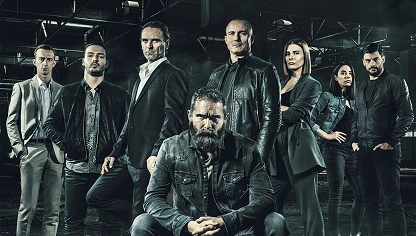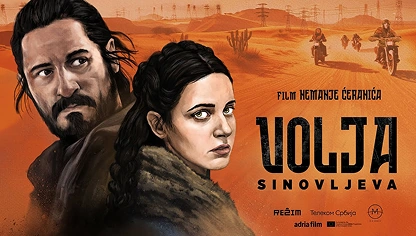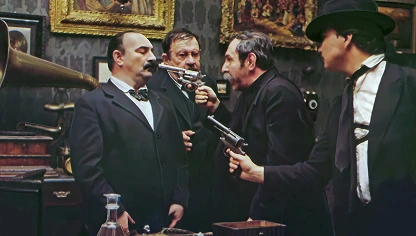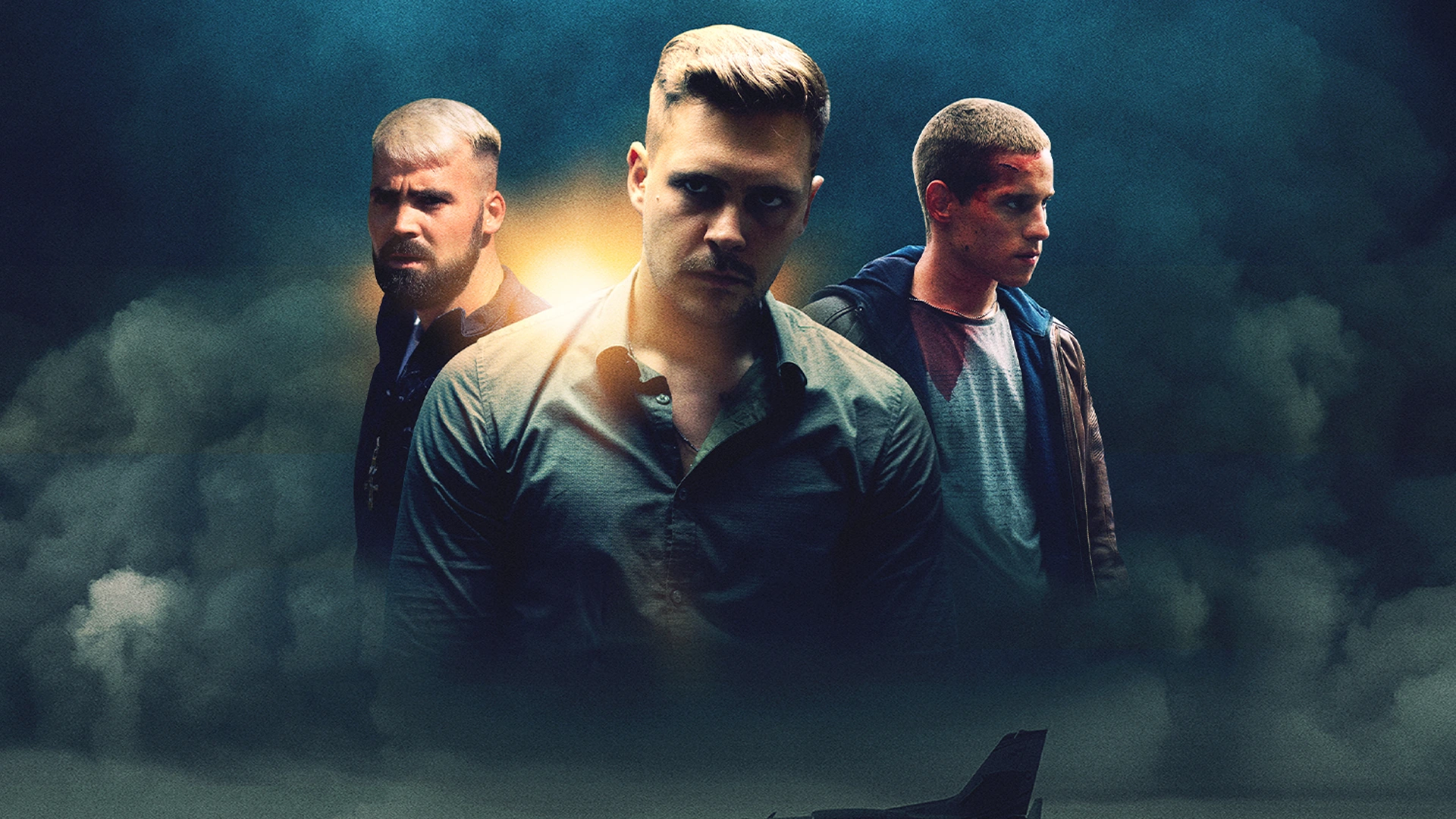
From the streets of Belgrade to the international scene, South Wind evolved from a local action film into a cultural phenomenon. The trilogy captures ambition, loyalty, and survival in a world where power always comes with a price.
When the first South Wind film hit cinemas in 2018, it changed everything. Audiences didn’t just watch it—they felt it. It was raw, cinematic, and unapologetically modern—a blend of street realism and emotional storytelling that domestic cinema hadn’t seen in years. For the first time, Serbian film spoke the visual language of global thrillers but stayed deeply rooted in its own cultural DNA.
The story of Petar Maraš, played by Miloš Biković, begins as a classic rise-and-fall tale—a car thief turned underground player. But beneath the crime plot lies a story about identity, choice, and morality. The film captured the pulse of Belgrade—fast, dangerous, and full of contradictions. Every frame feels alive with tension: flashy cars, neon-lit bars, silent deals. It’s not just about crime—it’s about ambition, survival, and the illusion of control.
With South Wind 2: Speed Up (2021), the series went international. The stakes got higher—from Belgrade to Bulgaria, from local gangs to global cartels. But what makes this sequel stand out is not just the scale; it’s Maraš’s transformation. He’s no longer just a criminal—he’s a man haunted by choices, loyalty, and the weight of his own success. The sequel blends action with political undercurrents, showing how corruption flows seamlessly between power and the street.
The final installment, South Wind 3 (2024), brings everything full circle. It’s not just a continuation—it’s a reflection. The violence feels heavier, the emotions deeper, and the world darker. We see Maraš not as an untouchable hero, but as a man surrounded by ghosts of his own making. The third part carries a tone of inevitability—as if the storm he started finally caught up with him.
The trilogy succeeds because it understands its characters. These aren’t one-dimensional gangsters—they’re fathers, sons, friends, and enemies all trapped in the same system. Director Miloš Avramović masterfully balances realism and myth, creating a story that feels both intimate and epic. Every car chase and explosion is secondary to what really drives the series—emotion, loyalty, and pride.
Cinematically, South Wind redefined what Serbian film could look like. High production value, international aesthetics, and a soundtrack that hits as hard as the dialogue. Its success opened doors for a new generation of filmmakers — showing that local stories, when told authentically, can reach global audiences. The trilogy stands today as a milestone of Balkan cinema — raw, stylish, and unforgettable.
South Wind is more than a trilogy—it’s a portrait of an era. It’s about choices, loyalty, and how far people will go for power, family, and redemption. From underground garages to global intrigue, from noise to silence—it tells a story that started on the streets and ended in legend. The storm has passed, but its echo still lingers.